Dystopian Multiverse Madness—My thoughts on Jump by D.L. Orton
by Anca Antoci


Author: D. L. ORTON
Released: 05.11.2025
Reviews:
Amazon: Buy from Amazon
GoodReads:4.51 (read)
Our review: 5.00 (read)
If you’ve been following me for a while, you’ll remember how much I loved Hive, the first book in this series. I went into Jump with high expectations and I’m so happy to say it follows right in its predecessor’s footsteps.
Set immediately after the events of Hive, the stakes are higher, the timelines are messier, and the multiverse itself is on the brink of collapse. The Biodome—once humanity’s last sanctuary—is now in danger of being destroyed. And if that falls, what’s left?
At a Glance
| Category | Key Points |
| Core Concept | - Consciousness “jumping” across parallel timelines |
| POV & Structure | - Multiple POVs, multiple timelines |
| Themes | - Free will, ethics, sacrifice, responsibility, existentialism |
| What I Loved | - Smart world-building |
| - banter | |
| - emotional depth | |
| Emotional Impact | - Tension-filled, high-pressure pacing, cliffhanger ending |
| Best For | - Readers who enjoy intelligent sci-fi, time travel, and morally complex survival stories |
Back Into the Multiverse
In Jump, we return to Isabel and Diego, whose experimental technology allows consciousness to “jump” across parallel timelines. It’s a concept that’s both fascinating and terrifying—because every jump comes with consequences.
This time around, Isabel is trapped in the Biodome by her morally questionable billionaire ex, who has weaponized her bee technology for his own gain. Meanwhile, Diego is imprisoned for treason and for time jumping.
The tension never really lets up.
We also meet new characters who slip seamlessly into the story, as though they’ve always belonged there. The universe expands in satisfying ways, and more of the science and world-building is explained, deepening the complexity of the narrative.
Multiple POVs, Timelines & Moral Dilemmas
This series takes me out of my comfort zone in the best way. Multiple POVs. Multiple timelines. Time travel layered over political intrigue and survival stakes.
It could feel overwhelming, but instead, it feels like an intricate puzzle unfolding in real time.
The scientific explanations are detailed and grounded. I won’t pretend I understood every technical aspect—but I appreciated the effort to make the speculative elements feel plausible. Readers who love hard sci-fi will absolutely enjoy that depth.
Beyond the science, though, this story asks bigger questions:
How far would you go to save humanity?
Does the greater good justify personal sacrifice?
If you can rewrite a timeline, should you?
And what does free will even mean when time itself can be manipulated?
Each jump forces the characters (and the reader) to confront the ethical weight of their choices.
Tension, Banter & Humanity
Even with the high stakes and existential dread, Jump isn’t without humor. The banter offers just enough relief to balance the relentless pacing. It keeps the story from becoming too heavy while still honoring the emotional depth. I loved the banter.
There’s love here. Sacrifice. Fear. Very human moments amid the science and chaos.
And yes, it ends on another cliffhanger.
I should have been prepared. I wasn’t.
Final Thoughts
Jump is a gripping sci-fi thriller with heart. It blends hard science fiction, multiverse theory, ethical dilemmas, romance, and relentless pacing into an adventure that keeps you thinking even after you’ve closed the book.
If you loved Hive, this sequel delivers everything you hoped for and then raises the stakes even further.
I highly recommend the Madders of Time series to readers who enjoy intelligent sci-fi with emotional depth, fans of time travel, multiverse narratives, moral complexity, and stories where humanity’s survival hangs by a thread.
Thank you to D.L. Orton and TheWriteReads for my complimentary copy and for inviting me on this tour. I’ll absolutely be keeping my eye out for the next installment because I need to know what happens next.
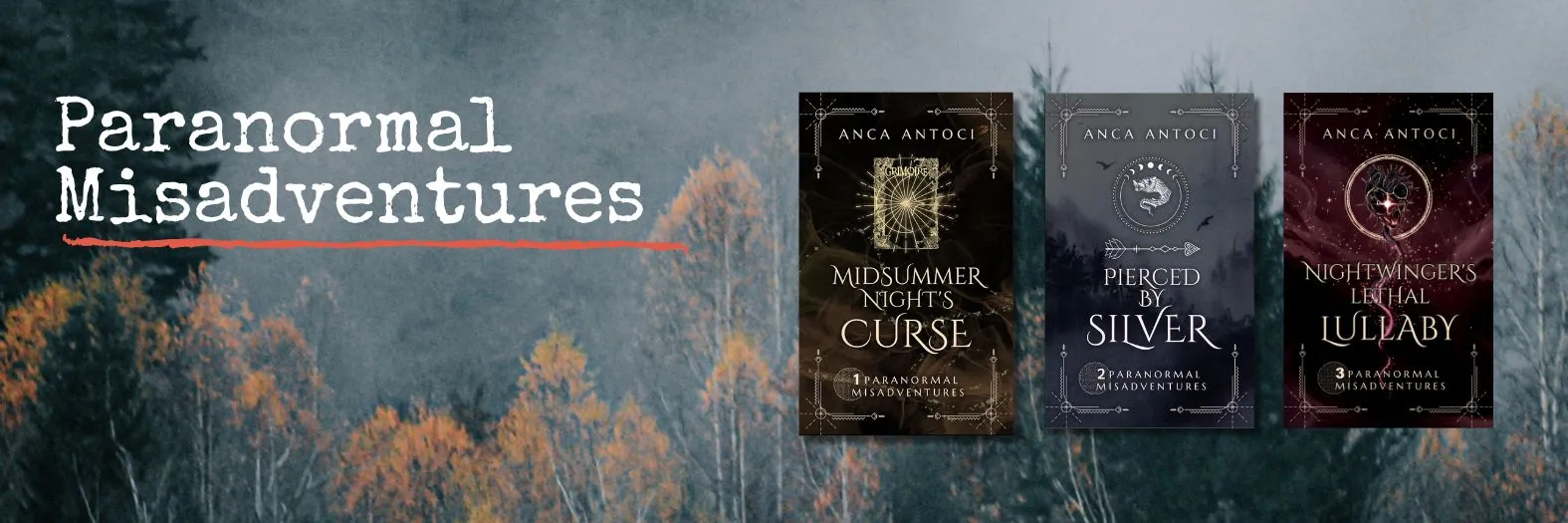
When I’m not reviewing, I’m usually causing trouble for my own characters. If you have a soft spot for witches, Romanian folklore, and supernatural sleuthing, my Paranormal Misadventures series was written just for you.